 Ancient animals. Modern nutrition.
Feed with confidence.
Feeding guides for aquatic turtle owners, and what to look for in the food you buy.
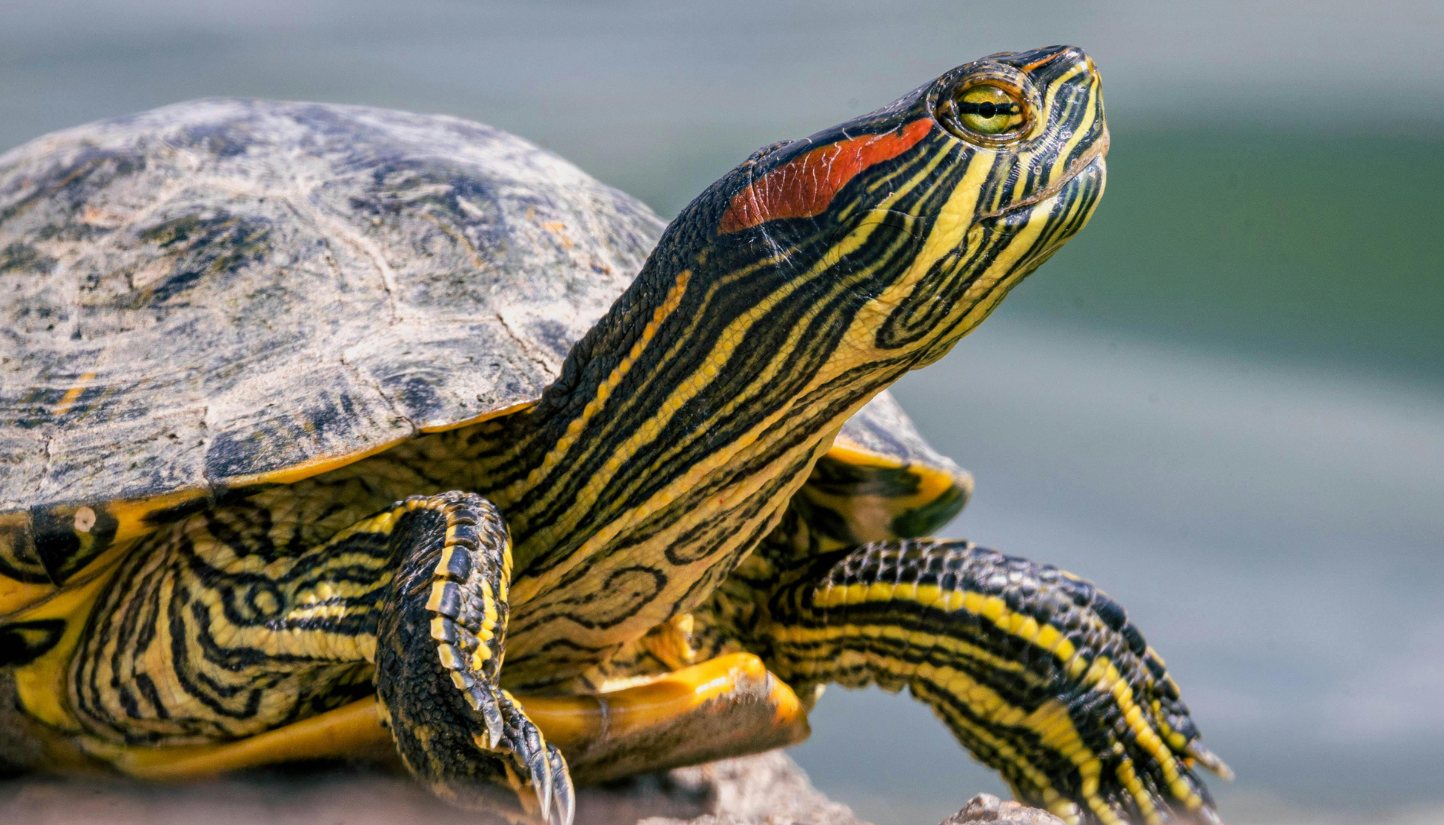
What to feed a pet turtle
The simple daily routine: pellets, greens and occasional extras.
Explore this topic →02What makes a quality pellet
Read any turtle food label, ingredient by ingredient.
Explore this topic →03Compare turtle foods
See how Archelon’s label stacks up, line by line.
Explore this topic →Start here.
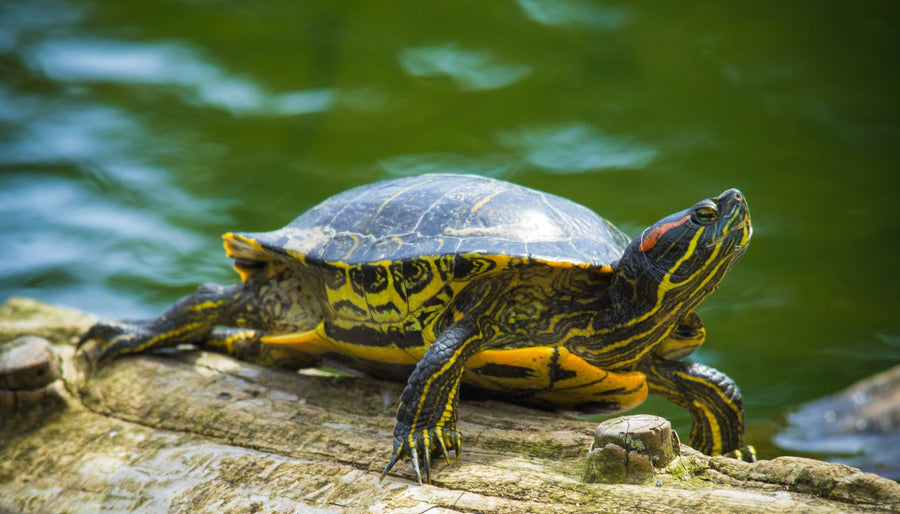
Red-Eared Slider Food: Diet, Portions & Feeding Routine
Red-eared slider food by age: compare pellet labels, plan greens and extras, measure meals, and understand what a protein percentage cannot tell you.
Read the guide →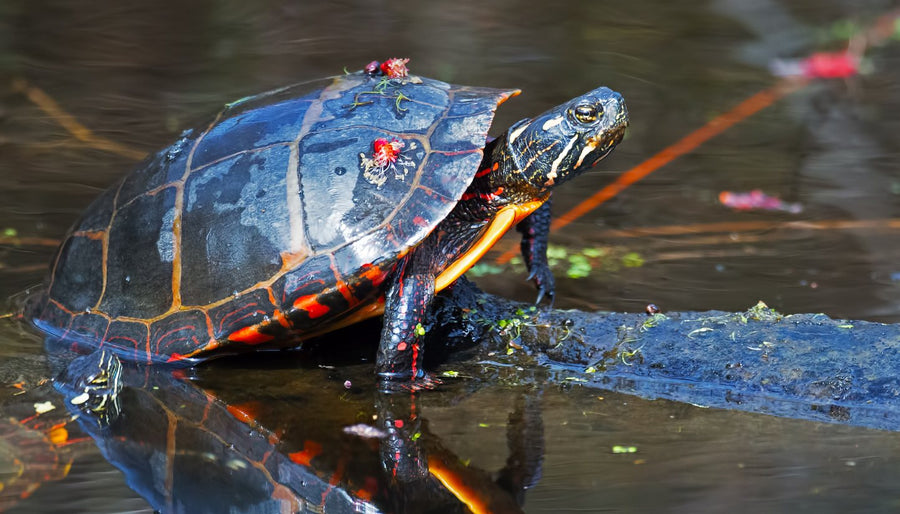
Painted Turtle Food: What to Feed a Painted Turtle
What to feed a painted turtle: pellets, greens and animal foods, a shopping checklist, young-versus-adult routines, and feeding problems to watch.
Read the guide →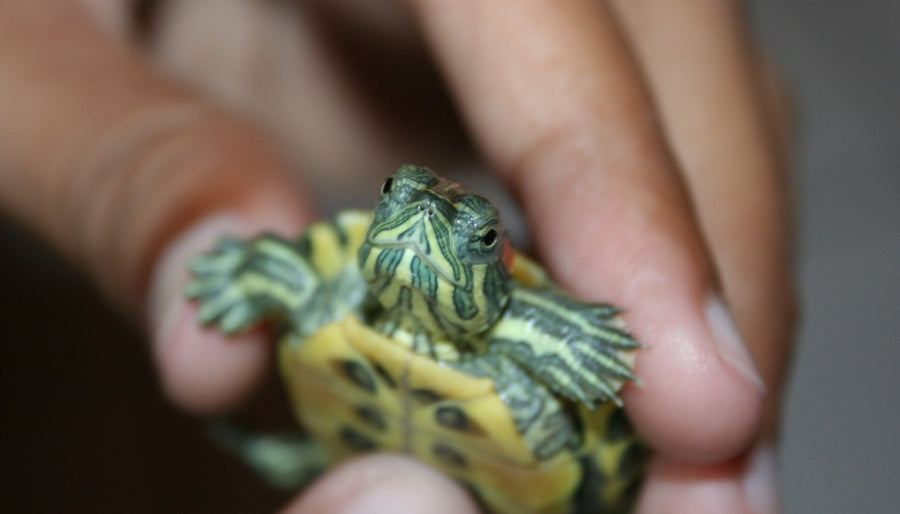
What Do Baby Turtles Eat? What to Buy and How to Feed
What baby aquatic turtles eat: choose a manageable pellet size, plan daily meals, keep a feeding log, and know when refusal needs veterinary advice.
Read the guide →Experience behind the advice.
Eric Akaba has bred rare turtles for decades, including the golden coin turtle, and reviews our feeding guides against that hands-on experience.

Clear answers. Traceable sources.
All guides
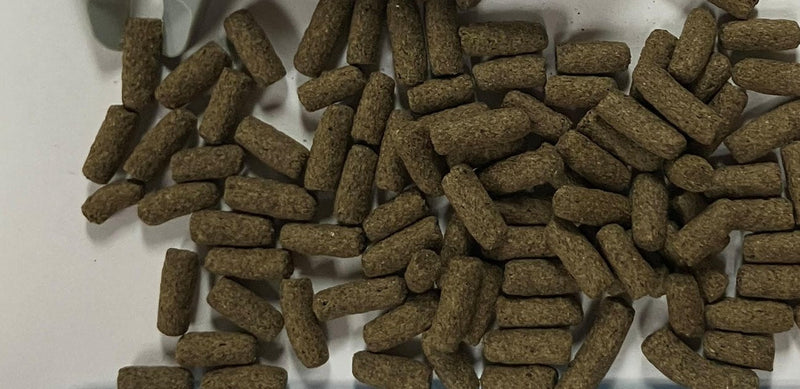
Yellow-Bellied Slider Food: A Practical Feeding Guide
Yellow-bellied sliders eat both plant and animal foods. Young sliders lean more toward animal prey; plant foods become more important as they mature. For a pet,...
Read guide →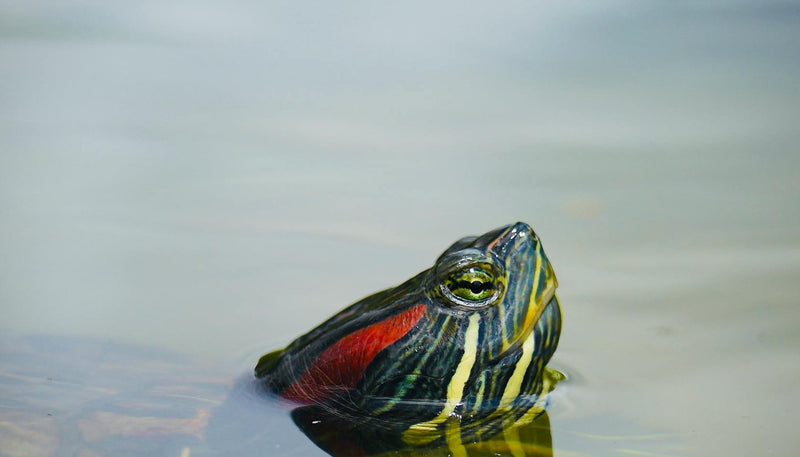
Can Turtles Eat Bread? What to Offer Instead
Do not offer bread as a regular food for a pet aquatic turtle. Veterinary feeding guidance specifically advises against processed foods such as bread. If your...
Read guide →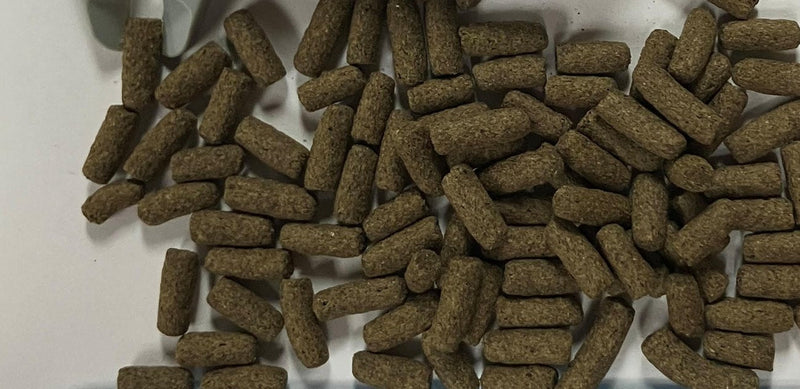
How Often Should You Feed an Aquatic Turtle?
Healthy young aquatic turtles generally need food daily; adults are often fed less frequently. MedVet recommends daily feeding for young turtles and every other day for...
Read guide →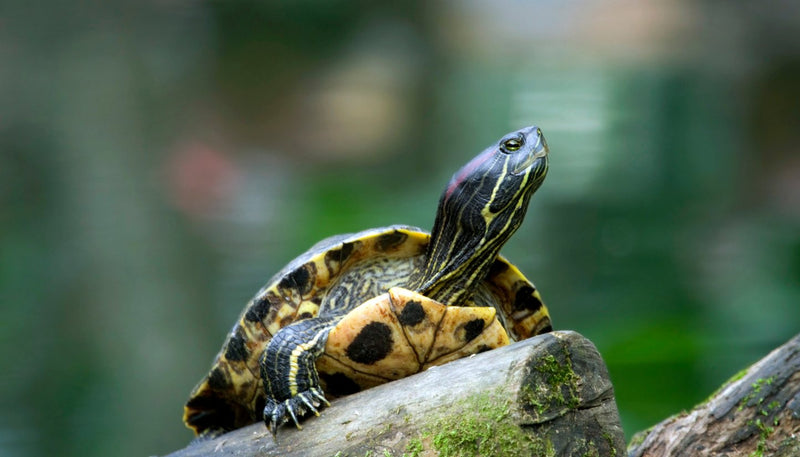
Can Turtles Eat Lettuce? Romaine vs. Iceberg
Romaine lettuce can be part of the vegetable portion of an omnivorous aquatic turtle's diet. Iceberg is a poor regular choice because it offers little nutritional...
Read guide →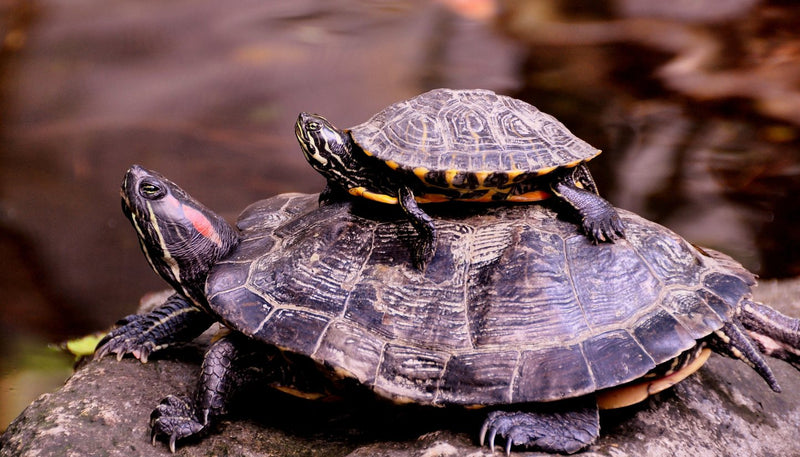
How to Switch Your Turtle to a New Food
To switch your turtle to a new food, first make sure it's healthy and eating normally. Then offer the new pellets alongside the old ones and...
Read guide →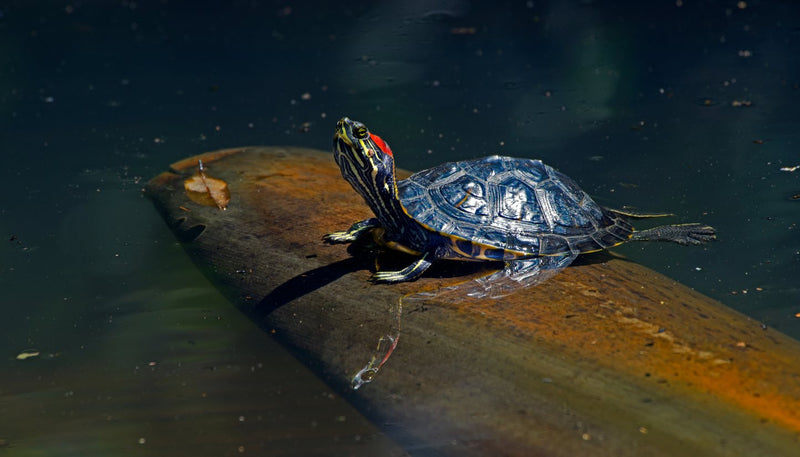
Floating vs. Sinking Turtle Pellets: Which to Buy
Buy floating pellets if your turtle takes food at the surface, which most sliders, painted turtles and cooters do. Buy sinking pellets if your turtle feeds...
Read guide →
What Do Musk and Mud Turtles Eat? A Feeding Guide
Musk and mud turtles are omnivores that eat mostly small animal prey, like insects, snails, crayfish and worms, plus some aquatic plants, and they forage mainly...
Read guide →
What Live Food Can Turtles Eat? Fish, Worms & Insects
Aquatic turtles can eat feeder fish, earthworms, shrimp, crickets, mealworms, bloodworms and snails. Treat them as extras alongside a commercial turtle pellet, not as the main...
Read guide →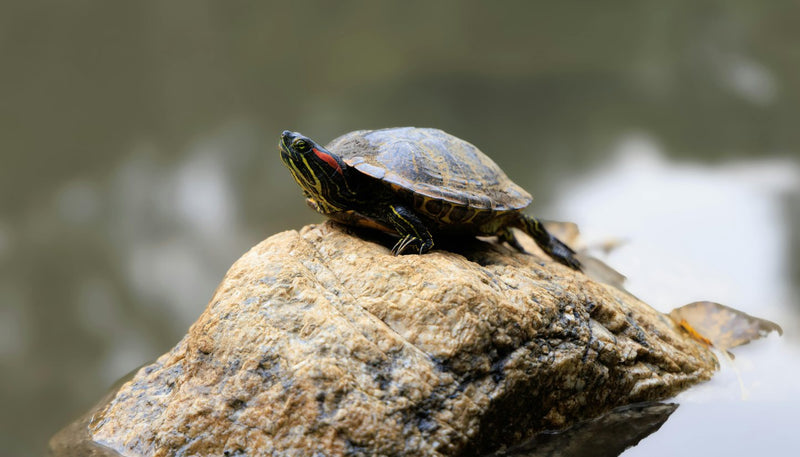
Can Turtles Eat Fruit? Safe Treats for Aquatic Turtles
Yes, some fruit is fine as an occasional treat for an adult aquatic turtle. Veterinary guidance names berries and melons as good treats. Food lists disagree...
Read guide →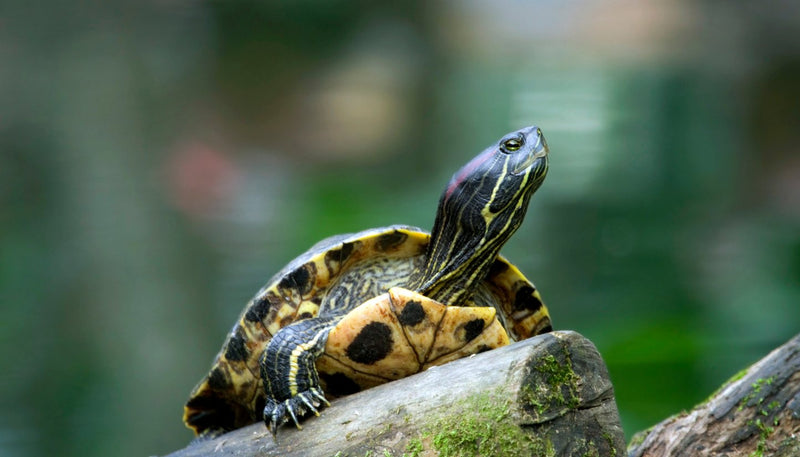
What Vegetables Can Turtles Eat? A Vet-Sourced List
For many omnivorous aquatic turtles, suitable vegetables include dark, leafy greens: romaine, collard, mustard, turnip and dandelion greens, kale, Swiss chard, endive, parsley and carrot tops,...
Read guide →
Can Turtles Eat Fish Food, Dog Food or Cat Food?
Sometimes. A high-grade fish pellet can cover the animal part of an aquatic turtle's diet: veterinary guidance names "turtle or fish pellets" for that role. Dog...
Read guide →
What Do Baby Turtles Eat? What to Buy and How to Feed
For a baby slider or painted turtle, start with an aquatic-turtle pellet it can pick up and swallow, alongside appropriate greens and occasional small animal foods....
Read guide →